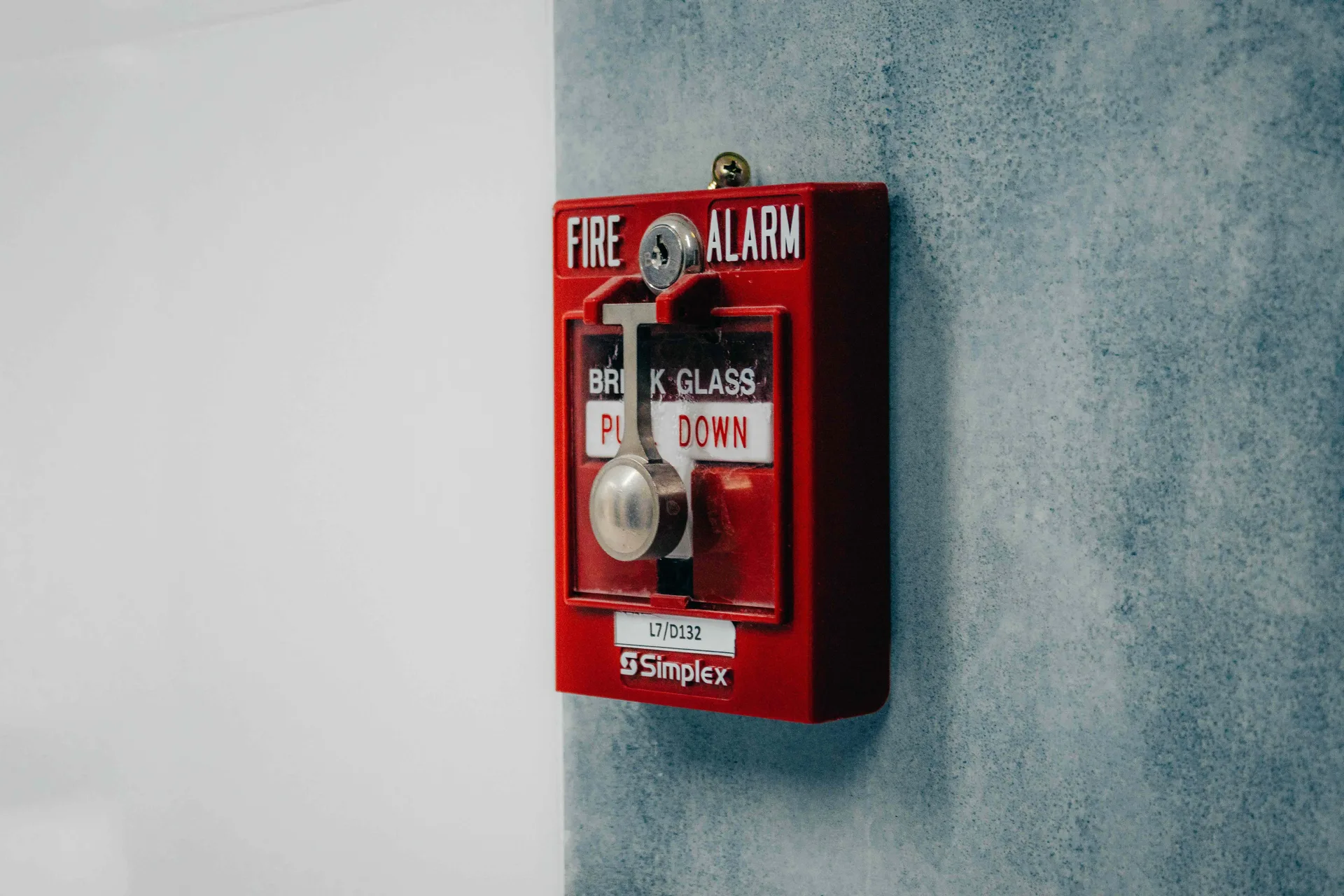
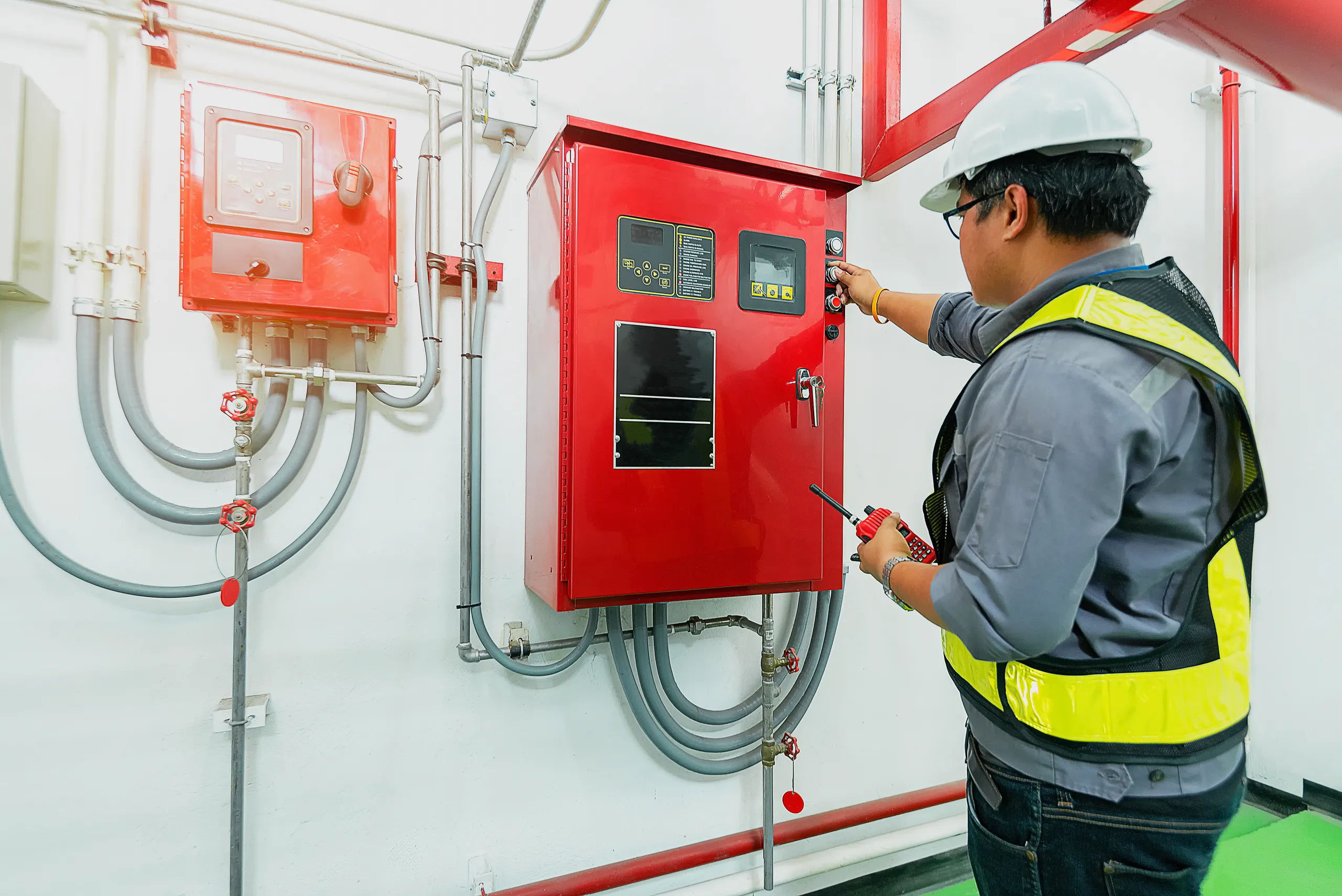
If you manage commercial properties, there’s a line item on your telecom bill that has probably doubled — maybe tripled — in the last few years, and it’s attached to equipment you’re legally required to keep running. Those are your POTS lines: the old copper phone lines your fire alarm panels, elevator emergency phones, and gate systems still dial out on.
Here’s the situation in plain terms: the copper network is being retired, carriers are no longer required to maintain it at regulated prices, and they’re using steep price increases to push the remaining customers off. Waiting doesn’t make this cheaper. It makes it more expensive every renewal cycle — and eventually, it stops being an option at all.
The good news is that replacing POTS lines is a solved problem, the replacement is usually far cheaper than what you’re paying now, and for most properties the switch takes an afternoon per building.
What is a POTS line, and why is it disappearing?
POTS stands for “plain old telephone service” — the analog copper lines that have carried voice calls for over a century. In 2019, the FCC issued Order 19-72, which released carriers from the obligation to maintain copper infrastructure at capped rates. Since August 2022, carriers have been free to raise prices or retire copper lines entirely.
They’ve done both. Lines that cost $50 a month a decade ago now routinely bill at $150 to $500 or more, and carriers in many markets have stopped repairing copper faults altogether. This isn’t a temporary price spike to wait out. It’s a managed shutdown, and the costs are designed to move you.
The lines you forgot you had
Most property managers know about their fire alarm lines. Fewer realize how many other systems still depend on copper:
- Fire alarm panels — most jurisdictions require two monitored communication paths
- Elevator emergency phones — code-required in every cab
- Burglar alarm and access control panels
- Gate and entry systems
- Fax lines for leasing offices
- Emergency call boxes in parking structures and pools
A mid-size multifamily property often carries six to twelve of these lines. At today’s rates, that’s tens of thousands of dollars a year for technology from the 1970s.
What replaces a POTS line?
The standard replacement is a cellular communicator (sometimes called an LTE dialer or “POTS in a box”). It’s a small device that connects to your existing fire panel or elevator phone and transmits over the cellular network instead of copper. Your panels and phones don’t change — only the path the signal takes.
Most properties held onto copper this long because of fire alarm telephone line requirements — NFPA 72 has historically called for two dedicated, supervised phone lines running to the panel. For fire alarms specifically, cellular fire alarm monitoring is fully recognized under NFPA 72, and a single cellular communicator can replace both required phone lines. Elevator phones have their own code path (ASME A17.1) and dedicated cellular units built for it.
Compared to copper, cellular monitoring is:
- Cheaper — typically a fraction of what carriers now charge for the lines it replaces
- Faster — alarm signals transmit in seconds rather than the slow analog dial-out
- Supervised — the connection is checked constantly, so a failure is flagged immediately instead of discovered during an inspection
- Battery-backed — cellular communicators keep working during power outages, which is when you need them most
What about internet-based (VoIP) lines?
Some properties route alarm lines over VoIP. It can work, but fire codes are strict about it: the connection needs backup power and supervision, and many VoIP setups fail inspection. For life-safety systems, cellular is the cleaner path — it doesn’t depend on your building’s internet, power, or network hardware.
What does POTS line replacement actually save?
Real example: one of our customers, a property management group, was carrying copper lines across their portfolio for fire alarm and elevator service. After switching to cellular monitoring with Pulsar, they cut $62,112 per year in line costs — with no changes to their panels and no disruption to service. A smaller single-property customer saved $2,820 a year on the same math.
The pattern holds at almost any scale: the more copper lines you’re carrying, the faster the replacement pays for itself. Most properties see full payback inside the first year.
How the switch works
- Line audit. We inventory every copper line on the property and what it’s connected to. (Most audits find at least one line billing monthly and connected to nothing.)
- Code review. We confirm the replacement path for each system — fire, elevator, security — meets your local requirements and will pass inspection.
- Installation. Cellular communicators are installed at each panel. Typical downtime per system is minutes, and monitoring is verified before we leave.
- Line cancellation. Once every system is confirmed on the new path, you cancel the copper lines — and the savings start.
Frequently Asked Questions
Is there a deadline for POTS line replacement?
There's no single national cutoff date. The FCC's Order 19-72 ended price protection in August 2022, and carriers retire copper market by market. The practical deadline is financial: every renewal, the lines cost more.
Will my fire alarm pass inspection with cellular monitoring?
Yes. Cellular communicators listed for fire alarm use are recognized under NFPA 72 and accepted by AHJs nationwide. A single unit typically satisfies the dual-path requirement that used to take two phone lines.
Do I have to replace my fire panel or elevator phone?
No. The communicator connects to your existing equipment. You're replacing the phone line, not the systems on it.
What happens during a power outage?
Cellular communicators include battery backup and continue transmitting when building power is down — unlike VoIP lines, which typically die with the power.
Can one communicator cover multiple systems?
Often, yes. Fire alarm and elevator lines have separate code requirements, but within each category one cellular unit can frequently replace multiple copper lines. The line audit sorts this out per property.
Get your line audit
If you’re still paying for copper, the first step costs nothing: a line audit that shows exactly what you’re carrying, what it’s connected to, and what the same coverage costs on cellular. Pulsar has been protecting properties since 1974, and we handle the whole transition — audit, code compliance, installation, and monitoring.