Annual fire inspections are a critical responsibility for property managers. Knowing what to expect helps you prepare your building and staff, minimizing disruption while ensuring thorough compliance.
Before the Inspection
Preparation makes the inspection smoother for everyone:
Access Requirements
- Ensure all mechanical rooms are accessible
- Clear pathways to fire panels and equipment
- Notify residents of inspection schedule
- Have building blueprints available if requested
Documentation Ready
- Previous inspection reports
- Any repair or maintenance records
- System modification documentation
- Occupancy information
During the Inspection
A comprehensive fire inspection covers multiple systems:
Fire Alarm Systems
Inspectors will test:
- All smoke and heat detectors
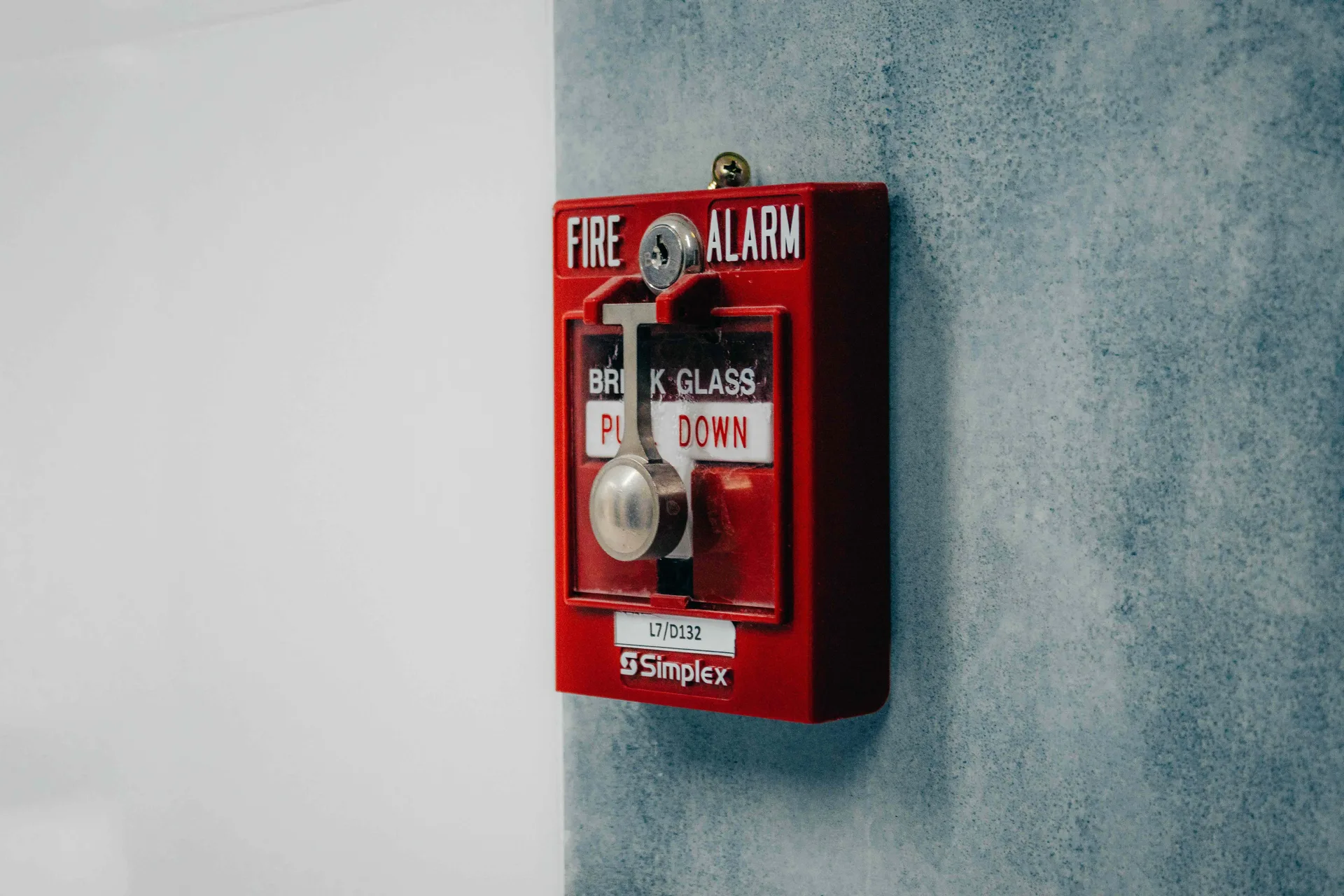
- Manual pull stations
- Audible and visual notification devices
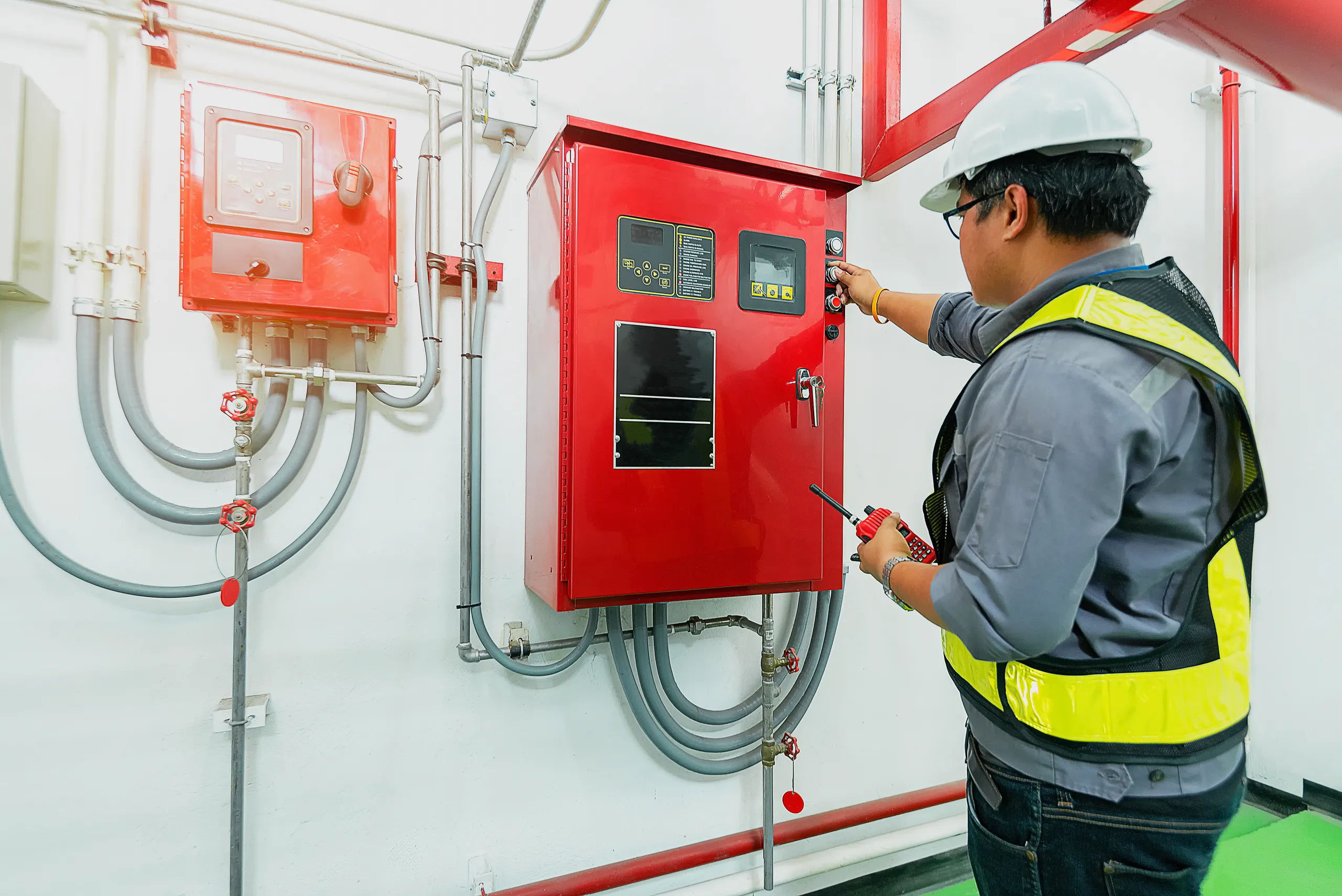
- Fire alarm control panel functions
- Emergency communication systems
Sprinkler Systems
Testing includes:
- Visual inspection of all sprinkler heads
- Main drain flow test
- Alarm and supervisory device tests
- Valve operation verification
- Antifreeze solution testing (where applicable)
Fire Extinguishers
Each unit receives:
- Visual inspection for damage
- Weight and pressure checks
- Tamper seal verification
- Accessibility assessment
Emergency Lighting and Exit Signs
Inspectors verify:
- All exit signs illuminated
- Emergency lights function on battery backup
- Proper placement and visibility
Common Deficiencies Found
Be proactive about these frequently cited issues:
- Blocked sprinkler coverage from storage or modifications
- Missing or discharged fire extinguishers
- Inoperative exit signs or emergency lights
- Painted-over sprinkler heads
- Improperly stored flammable materials
- Blocked fire exits or corridors
After the Inspection
Receiving the Report
You’ll receive a detailed report listing:
- All systems tested
- Pass/fail status for each component
- Required corrections with priority levels
- Recommended improvements
Addressing Deficiencies
- Immediate hazards must be corrected right away
- Code violations typically require correction within 30-90 days
- Document all repairs and keep records
Scheduling Follow-Up
Some corrections require re-inspection. Schedule these promptly to maintain compliance status.
Working with Your Fire Protection Partner
A good fire protection company doesn’t just inspect—they partner with you to maintain safety. Look for providers who:
- Explain findings clearly
- Prioritize corrections appropriately
- Offer maintenance programs
- Provide compliance documentation
- Respond quickly to emergencies
The Bottom Line
Annual fire inspections protect your residents, your property, and your liability exposure. Approach them as an opportunity to verify your safety systems are ready to perform when needed. Pulsar’s fire inspection services cover sprinklers, alarms, extinguishers, and pumps, with the documentation code officials ask for.
Your residents trust you with their safety. Honor that trust with thorough, proactive fire protection management.