Fire protection in commercial buildings isn’t just about compliance—it’s about protecting lives, assets, and business continuity. Understanding the essential components of a comprehensive fire protection system can help property owners and managers make informed decisions about their safety infrastructure.
The Core Components
Every commercial fire protection system consists of several interconnected elements working together:
Detection Systems
Modern fire detection goes far beyond simple smoke detectors. Commercial systems typically include:
- Smoke detectors positioned throughout the facility
- Heat sensors in areas where smoke detection isn’t practical
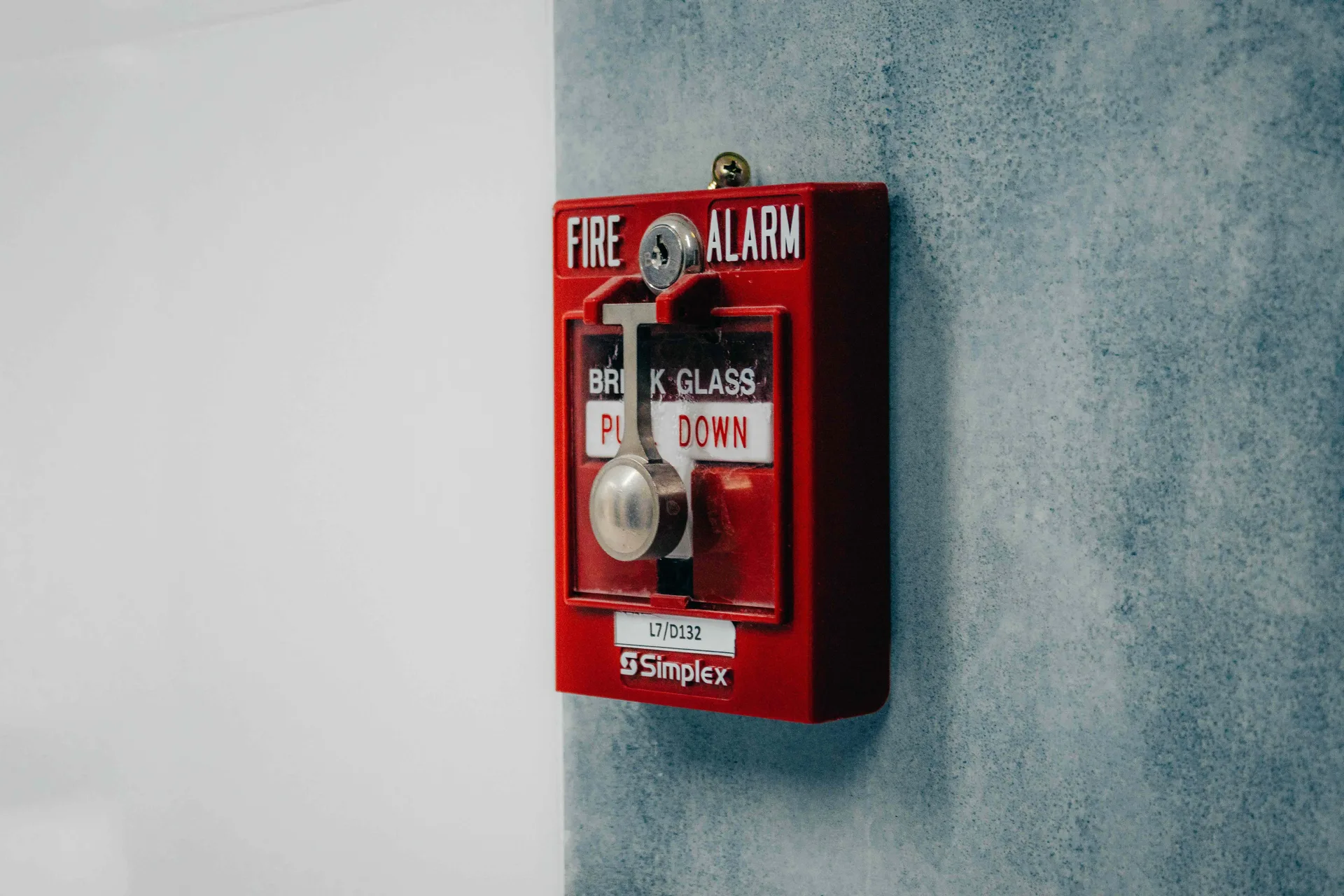
- Manual pull stations at strategic exit points
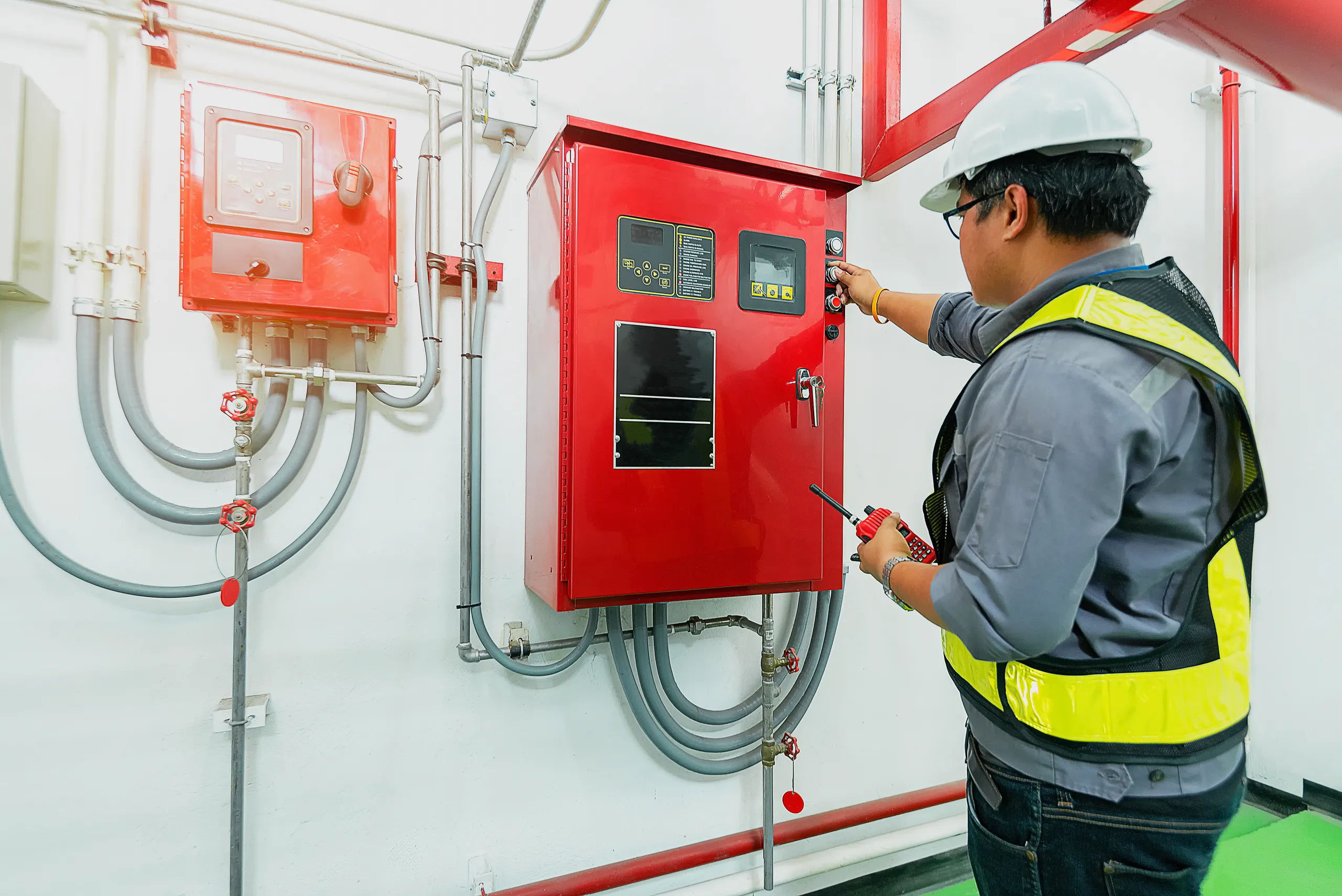
- Centralized fire alarm control panels that coordinate the entire system
Suppression Systems
When a fire is detected, suppression systems activate to contain and extinguish the threat:
- Wet pipe sprinkler systems for standard environments
- Dry pipe systems for areas subject to freezing
- Pre-action systems for sensitive areas like data centers
- Clean agent systems for protecting electronic equipment
Why Regular Inspections Matter
A fire protection system is only as reliable as its last inspection. Components can degrade over time, and building modifications can compromise system effectiveness.
“The best fire protection system is worthless if it hasn’t been properly maintained and tested.”
Regular inspections catch issues before they become critical failures:
- Corroded sprinkler heads that won’t activate properly
- Blocked sprinkler coverage from new construction or storage
- Alarm system faults that prevent proper notification
- Outdated systems that no longer meet current codes
Compliance Requirements
Commercial properties must adhere to strict fire codes, including:
- NFPA 25 - Standard for Inspection, Testing, and Maintenance
- Local fire marshal requirements
- Insurance company mandates
- Occupancy-specific regulations
Non-compliance can result in fines, increased insurance premiums, or even closure orders.
Working with Professionals
Fire protection isn’t a DIY endeavor. Licensed professionals bring:
- Current knowledge of evolving codes and standards
- Proper testing equipment and procedures
- Documentation that satisfies regulatory requirements
- Experience identifying potential issues before they become problems
Next Steps
If your commercial property’s fire protection system hasn’t been inspected recently, now is the time to act. Contact a licensed fire protection company to schedule a comprehensive evaluation of your systems. Pulsar designs and installs complete fire protection systems — alarms, sprinklers, pumps, and extinguishers — engineered to NFPA code.
Your business, your employees, and your customers depend on it.